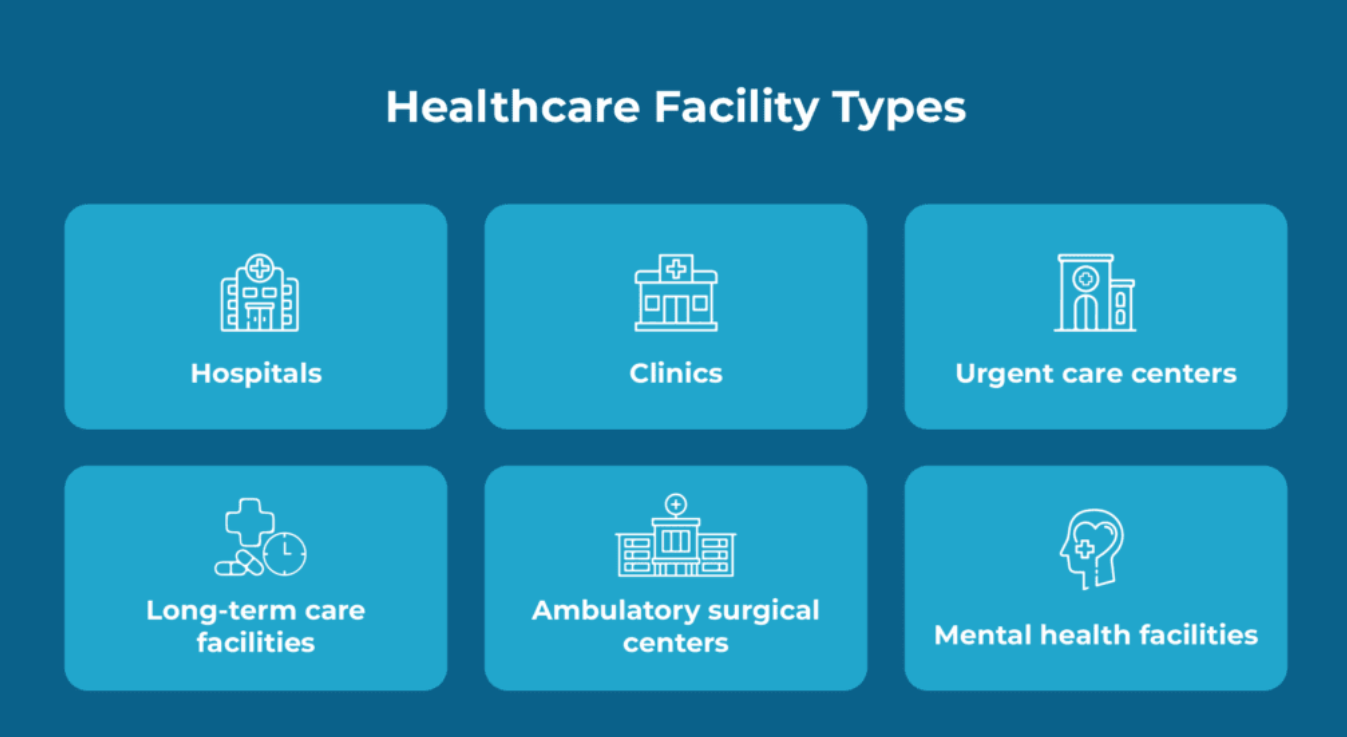
Healthcare is one of the most essential aspects of human life, yet many people don’t fully understand the different types of health services available to them. Whether you’re seeking treatment for a sudden illness, managing a chronic condition, or simply aiming to stay healthy, knowing the various categories of healthcare services can help you make informed decisions.
In today’s complex healthcare landscape, services range from preventive care and primary care to specialized treatments and long-term support. Each type plays a critical role in ensuring individuals receive the right care at the right time. This comprehensive guide explores the major types of health services, how they function, and why they are important.
1. Preventive Health Services
Preventive health services are designed to help individuals avoid illnesses or detect them early when they are easier to treat. These services are the foundation of a healthy society and can significantly reduce healthcare costs in the long run.
Key Components:
- Routine check-ups and physical exams
- Vaccinations and immunizations
- Screening tests (e.g., blood pressure, cholesterol, cancer screenings)
- Lifestyle counseling (nutrition, exercise, smoking cessation)
Why It Matters:
Preventive care helps identify potential health issues before they become serious. For example, early detection of conditions like diabetes or hypertension can prevent complications such as heart disease or kidney failure.
2. Primary Health Care
Primary health care is often the first point of contact between patients and the healthcare system. It focuses on general health concerns and provides continuous, comprehensive care.
Services Included:
- Diagnosis and treatment of common illnesses
- Management of chronic diseases
- Health education and counseling
- Referrals to specialists
Providers:
Primary care physicians, family doctors, nurse practitioners, and general practitioners.
Importance:
Primary care ensures continuity of care and builds a long-term relationship between patients and healthcare providers. It also helps coordinate care across different levels of the healthcare system.
3. Secondary Health Services
Secondary health services involve specialized care typically provided by medical specialists after a referral from a primary care provider.
Examples:
- Cardiologists treating heart conditions
- Dermatologists addressing skin disorders
- Orthopedic specialists handling bone and joint issues
Facilities:
- Hospitals
- Specialized clinics
Role in Healthcare:
Secondary care provides more focused and advanced treatment than primary care. It is essential for diagnosing and managing complex health conditions that require expert attention.
4. Tertiary Health Services
Tertiary healthcare refers to highly specialized medical care, often involving advanced procedures and treatments.
Services Include:
- Complex surgeries (e.g., organ transplants)
- Cancer treatment (chemotherapy, radiation therapy)
- Neurosurgery and cardiac surgery
- Intensive care units (ICUs)
Facilities:
- Large hospitals
- Specialized medical centers
Importance:
Tertiary care is critical for patients with severe or life-threatening conditions. It requires advanced technology and highly trained specialists.
5. Emergency Medical Services (EMS)
Emergency medical services provide immediate care for life-threatening conditions. These services are crucial in saving lives during critical situations.
Examples:
- Ambulance services
- Emergency room (ER) treatment
- Trauma care
- Disaster response
Key Features:
- Rapid response time
- 24/7 availability
- Trained emergency personnel
Why It’s Vital:
In emergencies such as heart attacks, strokes, or accidents, timely medical intervention can mean the difference between life and death.
6. Mental Health Services
Mental health is just as important as physical health. Mental health services focus on diagnosing, treating, and preventing mental health disorders.
Types of Services:
- Counseling and psychotherapy
- Psychiatric evaluations
- Medication management
- Crisis intervention
Conditions Treated:
- Depression
- Anxiety disorders
- Bipolar disorder
- Schizophrenia
Importance:
Mental health services help individuals cope with emotional challenges, improve quality of life, and maintain overall well-being.
7. Rehabilitation Services
Rehabilitation services help individuals recover from injuries, surgeries, or chronic conditions. These services aim to restore physical, mental, and cognitive abilities.
Types:
- Physical therapy
- Occupational therapy
- Speech therapy
- Cardiac and pulmonary rehabilitation
Who Needs It:
- Stroke patients
- Accident victims
- Individuals recovering from surgery
Benefits:
Rehabilitation improves mobility, independence, and quality of life, enabling patients to return to their daily activities.
8. Long-Term Care Services
Long-term care services are designed for individuals who need ongoing assistance with daily activities due to chronic illness, disability, or aging.
Services Include:
- Nursing homes
- Assisted living facilities
- Home healthcare
- Palliative care
Target Group:
- Elderly individuals
- People with disabilities
- Patients with chronic illnesses
Importance:
These services provide continuous support and ensure a better quality of life for individuals who cannot fully care for themselves.
9. Home Healthcare Services
Home healthcare allows patients to receive medical care in the comfort of their own homes. It is an increasingly popular option, especially for elderly patients.
Services Provided:
- Nursing care
- Medication administration
- Physical therapy
- Wound care
Advantages:
- Convenience
- Personalized care
- Reduced hospital visits
Ideal For:
Patients recovering from surgery, managing chronic conditions, or requiring ongoing medical supervision.
10. Palliative and Hospice Care
Palliative care focuses on improving the quality of life for patients with serious illnesses, while hospice care is specifically for those nearing the end of life.
Key Features:
- Pain and symptom management
- Emotional and psychological support
- Support for families
Differences:
- Palliative care can be provided at any stage of illness
- Hospice care is for terminal patients, usually with a prognosis of six months or less
Importance:
These services provide comfort, dignity, and support during difficult times.
11. Diagnostic Services
Diagnostic services are essential for identifying diseases and conditions. Accurate diagnosis is the first step toward effective treatment.
Examples:
- Laboratory tests (blood tests, urine tests)
- Imaging (X-rays, MRI, CT scans)
- Biopsies
Role:
They help healthcare providers understand the root cause of symptoms and determine the best course of treatment.
12. Pharmaceutical Services
Pharmaceutical services involve the preparation, dispensing, and management of medications.
Components:
- Prescription medications
- Over-the-counter drugs
- Medication counseling
- Drug safety monitoring
Providers:
Pharmacists and pharmacy technicians
Importance:
Proper medication management ensures effectiveness and reduces the risk of side effects or drug interactions.
13. Public Health Services
Public health services focus on improving the health of communities and populations rather than individuals.
Key Areas:
- Disease prevention programs
- Health education campaigns
- Environmental health
- Epidemiology
Examples:
- Vaccination drives
- Anti-smoking campaigns
- Sanitation programs
Importance:
Public health services play a crucial role in preventing disease outbreaks and promoting healthy lifestyles.
14. Alternative and Complementary Medicine
Alternative and complementary medicine includes non-traditional approaches to health and wellness.
Examples:
- Acupuncture
- Herbal medicine
- Chiropractic care
- Yoga and meditation
Usage:
Often used alongside conventional medicine to enhance overall well-being.
Considerations:
While many people find these methods beneficial, it’s important to consult healthcare professionals before starting any alternative treatment.
15. Telehealth Services
Telehealth has grown rapidly in recent years, especially with advancements in digital technology.
Services Include:
- Virtual doctor consultations
- Remote monitoring
- Online prescriptions
- Health apps and platforms
Benefits:
- Accessibility for remote areas
- Time-saving
- Reduced healthcare costs
Future Outlook:
Telehealth is expected to become a standard part of healthcare delivery, improving access and efficiency.
Conclusion
Understanding the different types of health services is essential for making informed healthcare decisions. From preventive care and primary care to specialized treatments and long-term support, each type plays a unique role in maintaining health and well-being.
As healthcare continues to evolve, new services like telehealth and integrated care models are making it easier than ever to access quality care. By knowing your options, you can take control of your health, seek appropriate care when needed, and ultimately lead a healthier life.
Whether you’re visiting a doctor for a routine check-up or seeking specialized treatment, being informed empowers you to navigate the healthcare system with confidence.
Final Thoughts
Healthcare is not one-size-fits-all. The right type of service depends on your specific needs, condition, and circumstances. By understanding the full spectrum of health services, you can ensure that you and your loved ones receive the best possible care at every stage of life.